Shanghai Restaurant Guide
Find the best restaurants in Shanghai by district, cuisine, budget, and travel style. Built for international travelers who want to eat well without speaking Chinese.
The 15 Best Shanghai Restaurants
Every restaurant hand-picked and personally vetted. These are the places Shanghainese people queue for — no hotel concierge picks, just the real deal.
Jia Jia Tang Bao
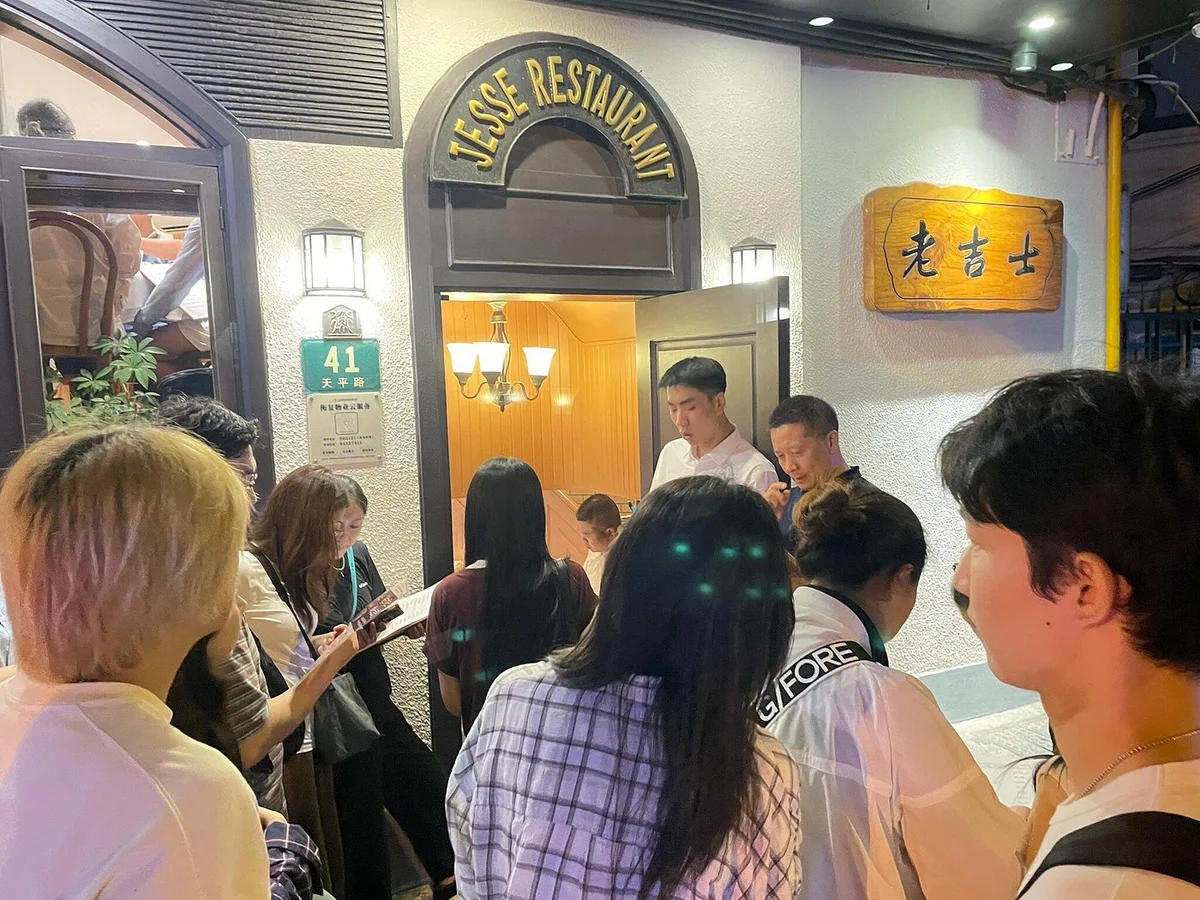
Old Jesse
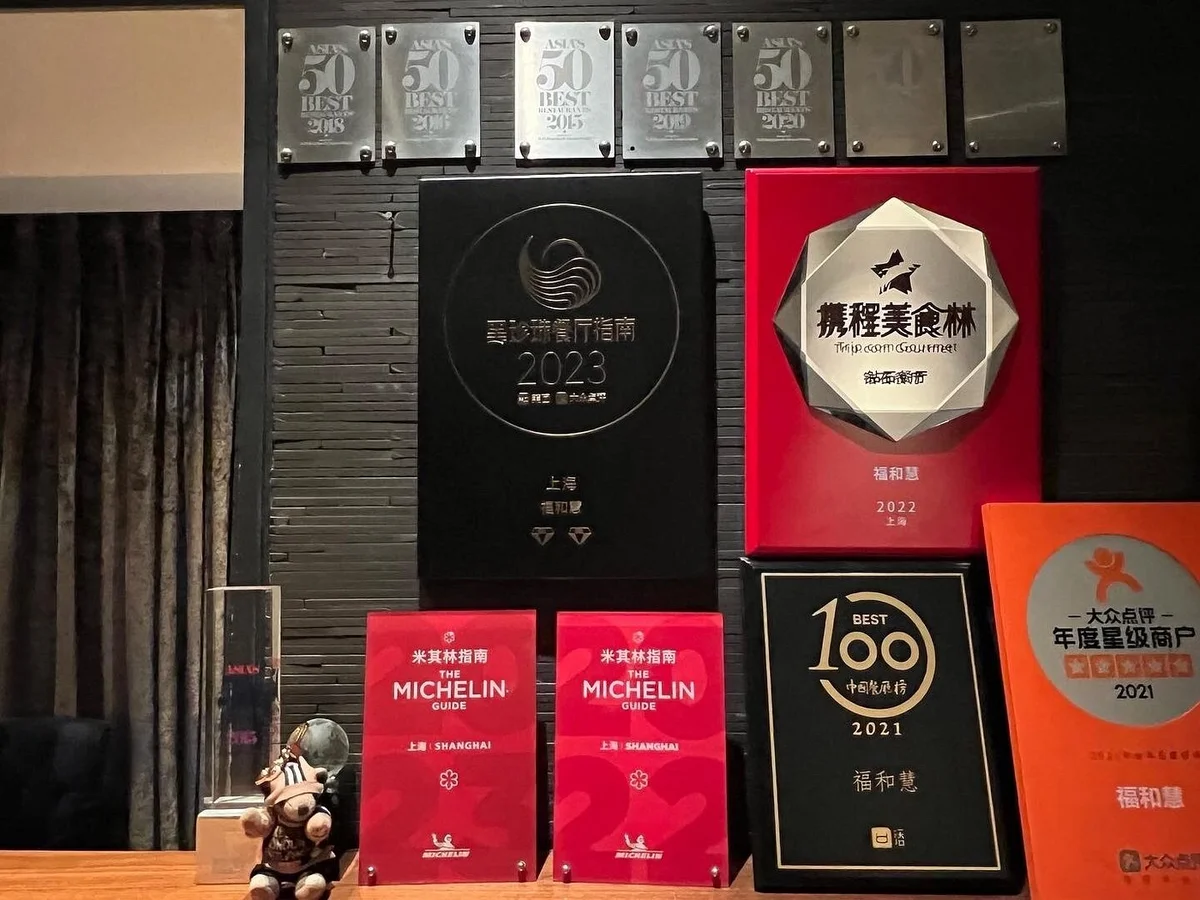
Fu He Hui
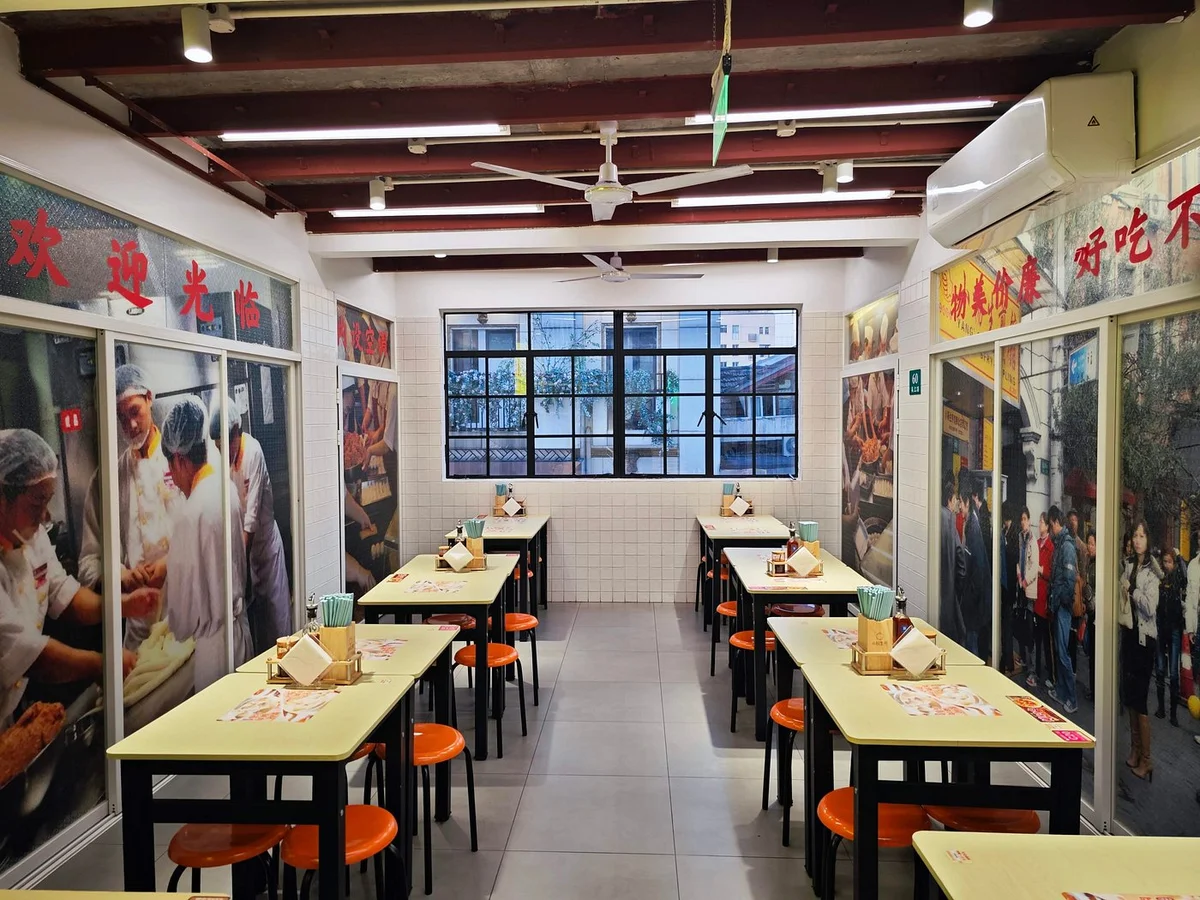
Yang's Fried Dumpling
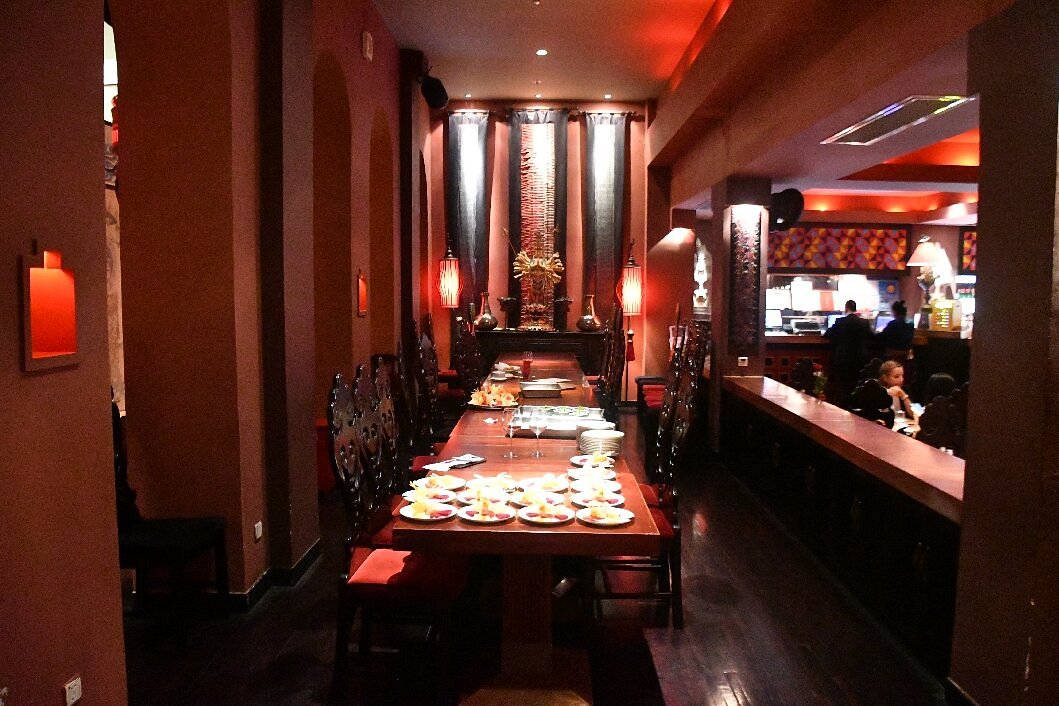
Lost Heaven
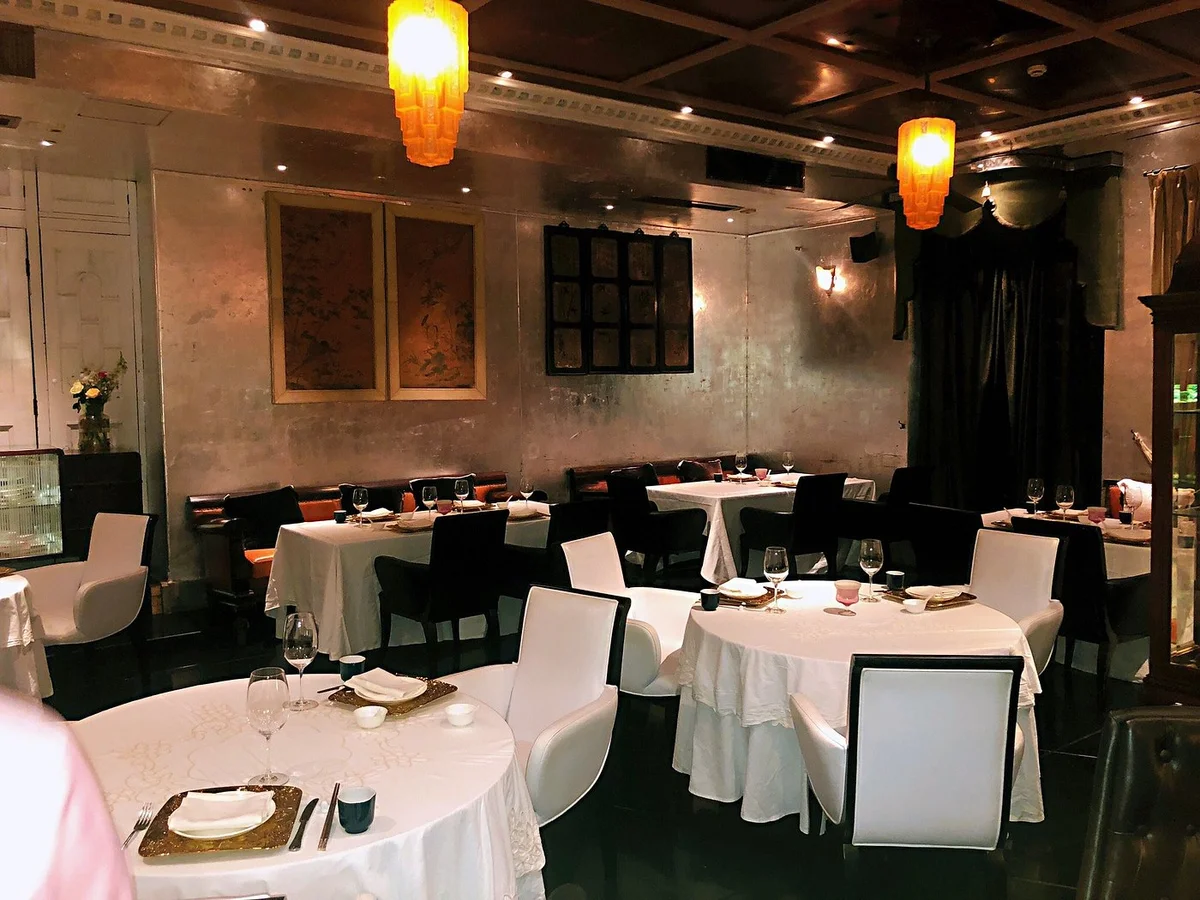
YongFoo Elite
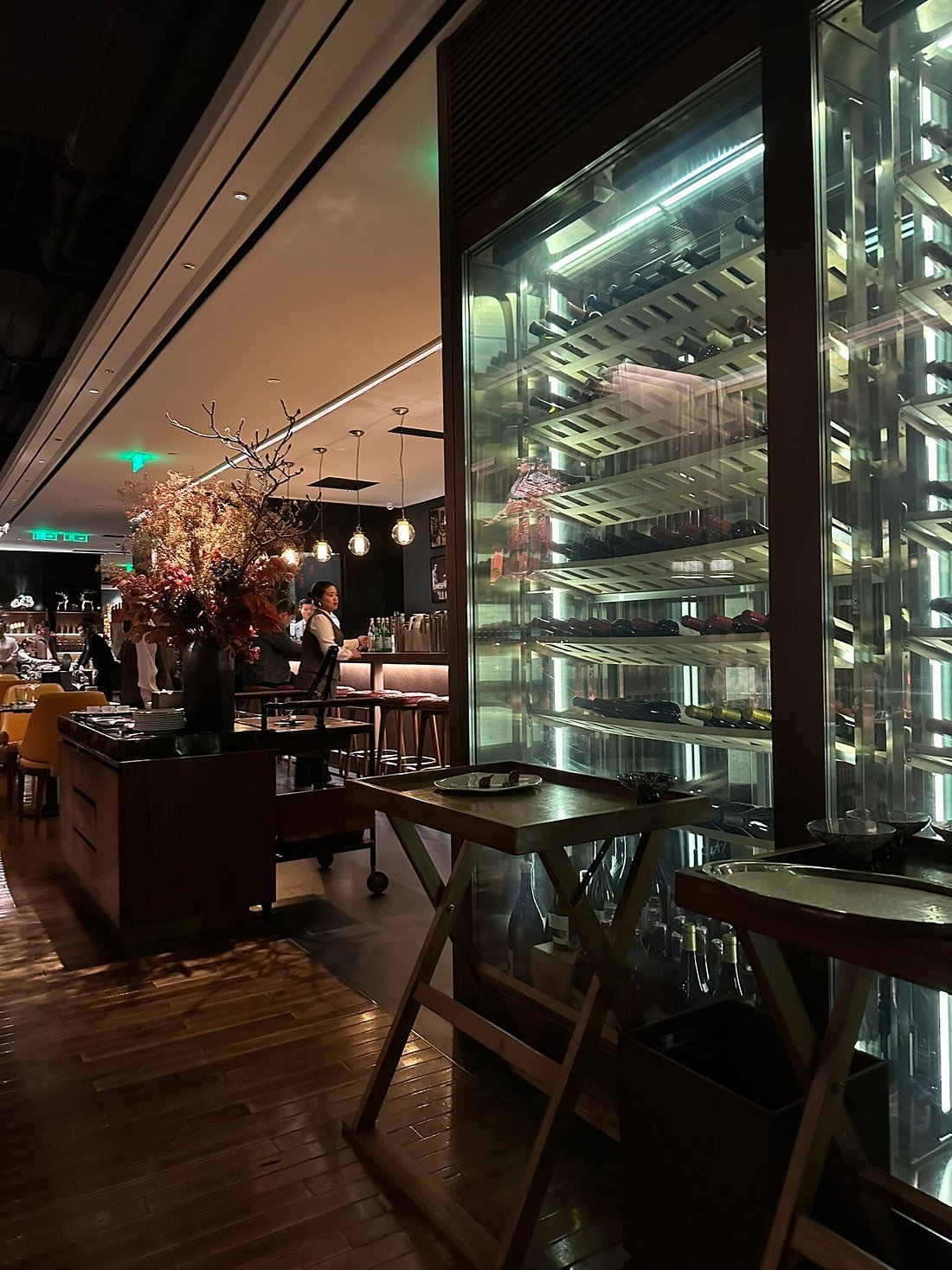
Xin Rong Ji
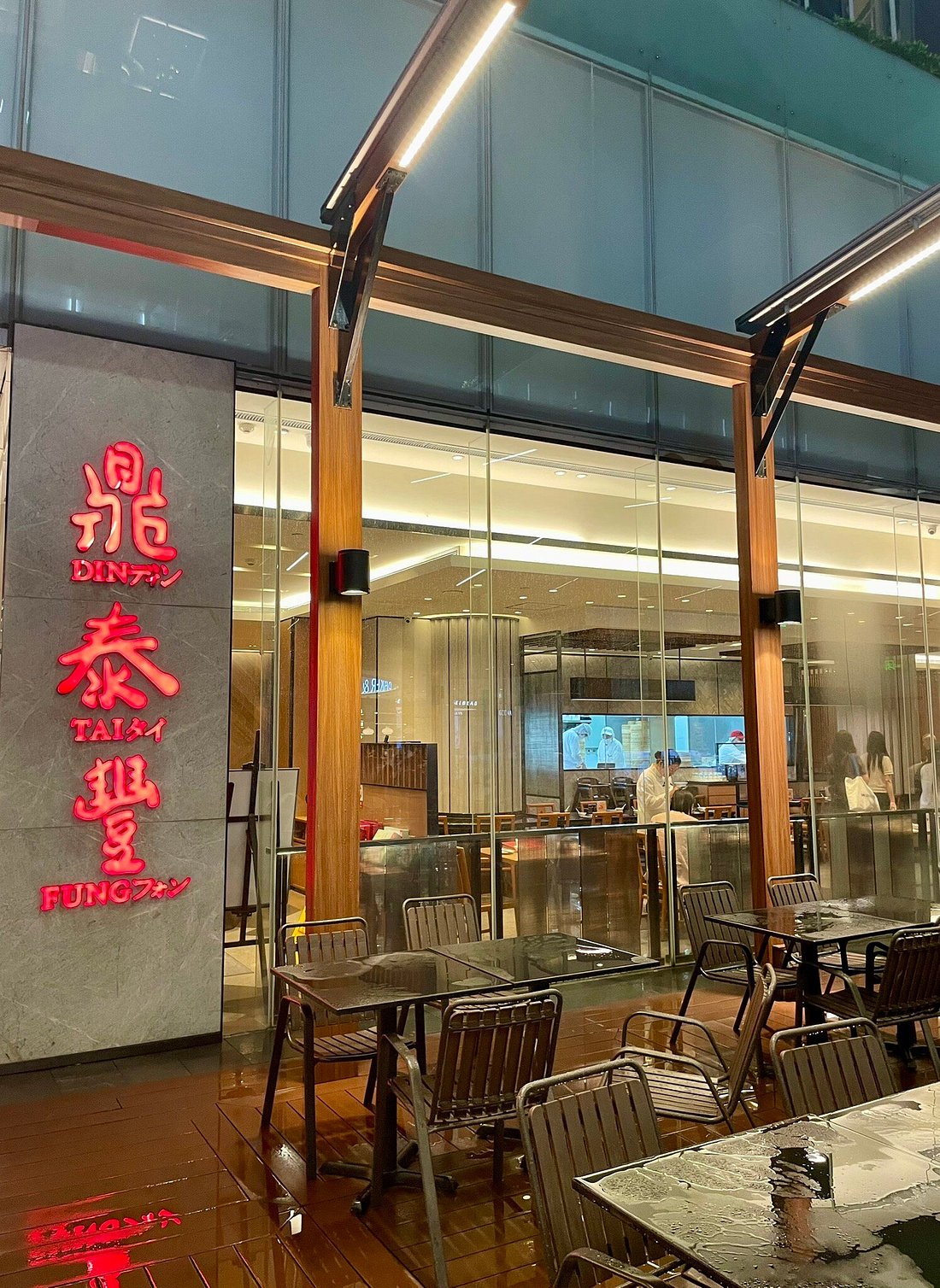
Din Tai Fung
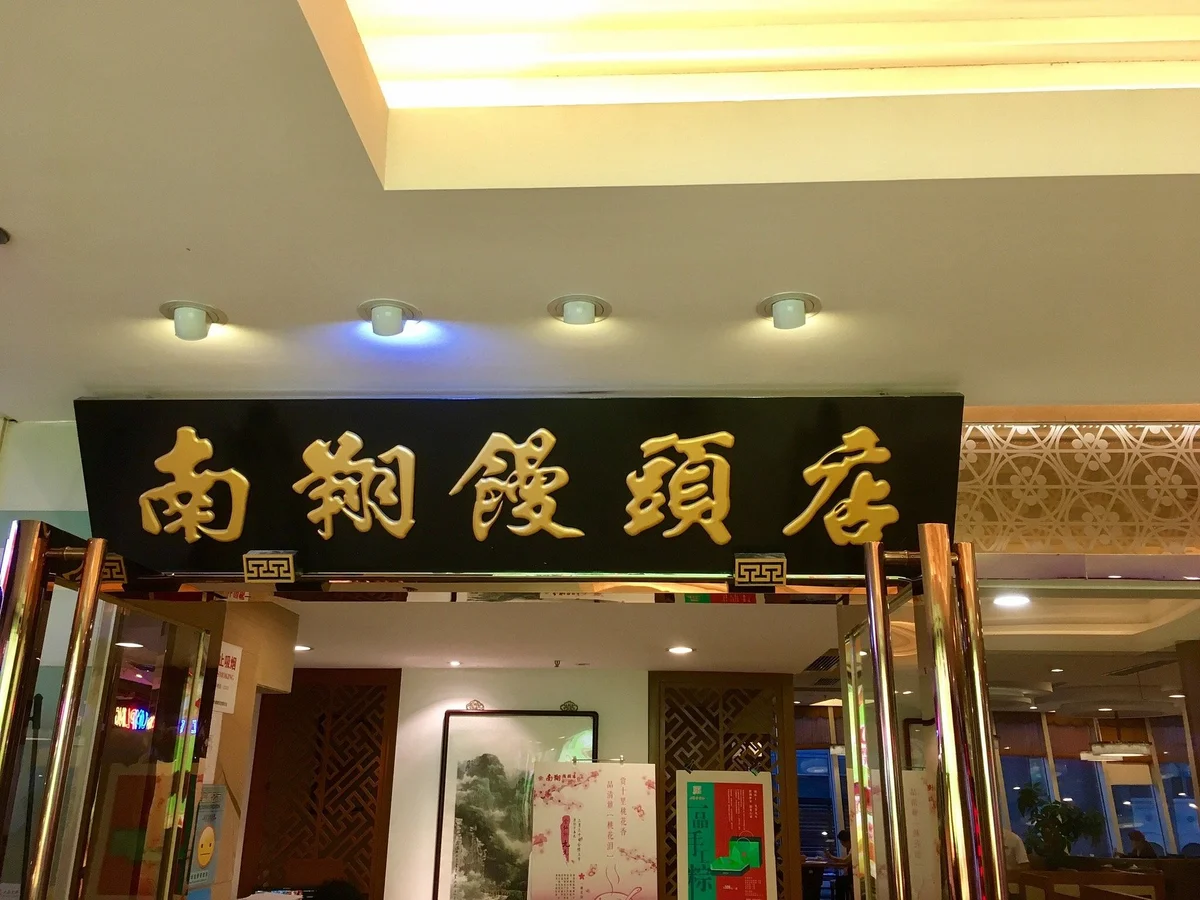
Nanxiang Steamed Bun
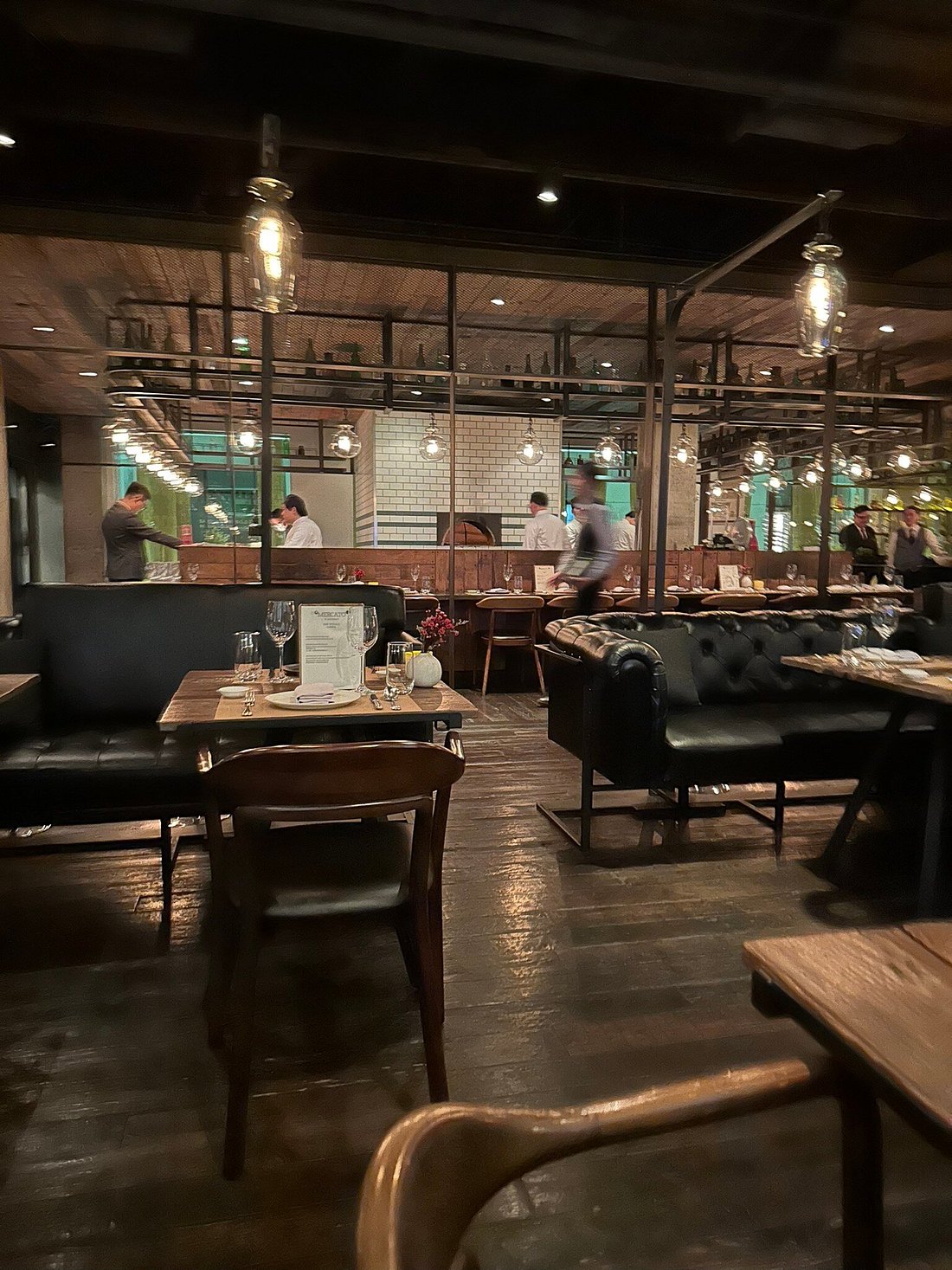
Mercato
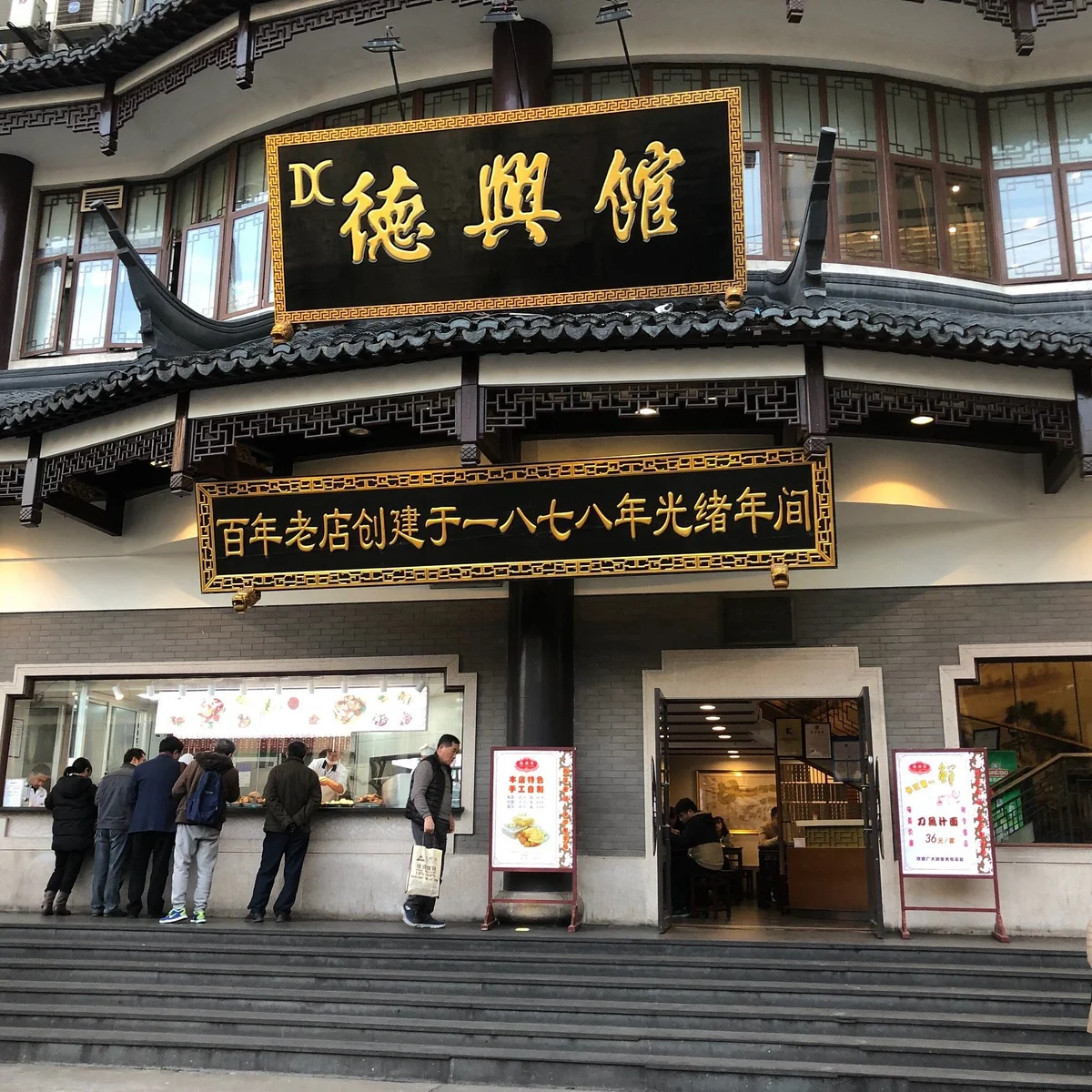
De Xing Guan
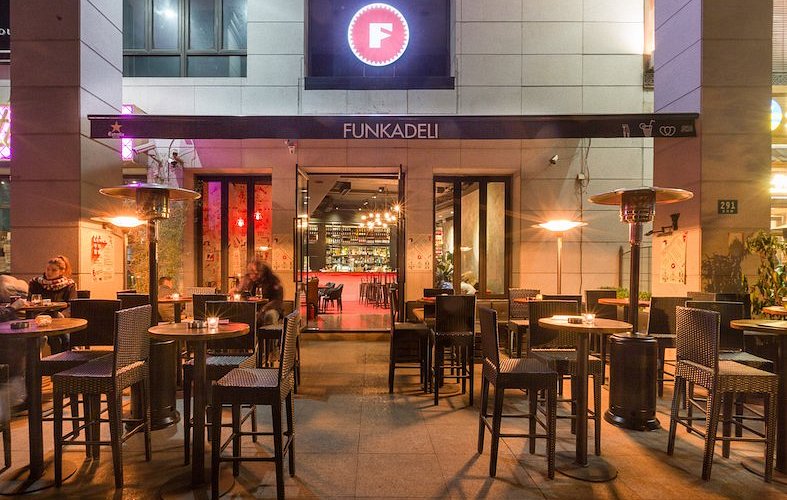
Funkadeli
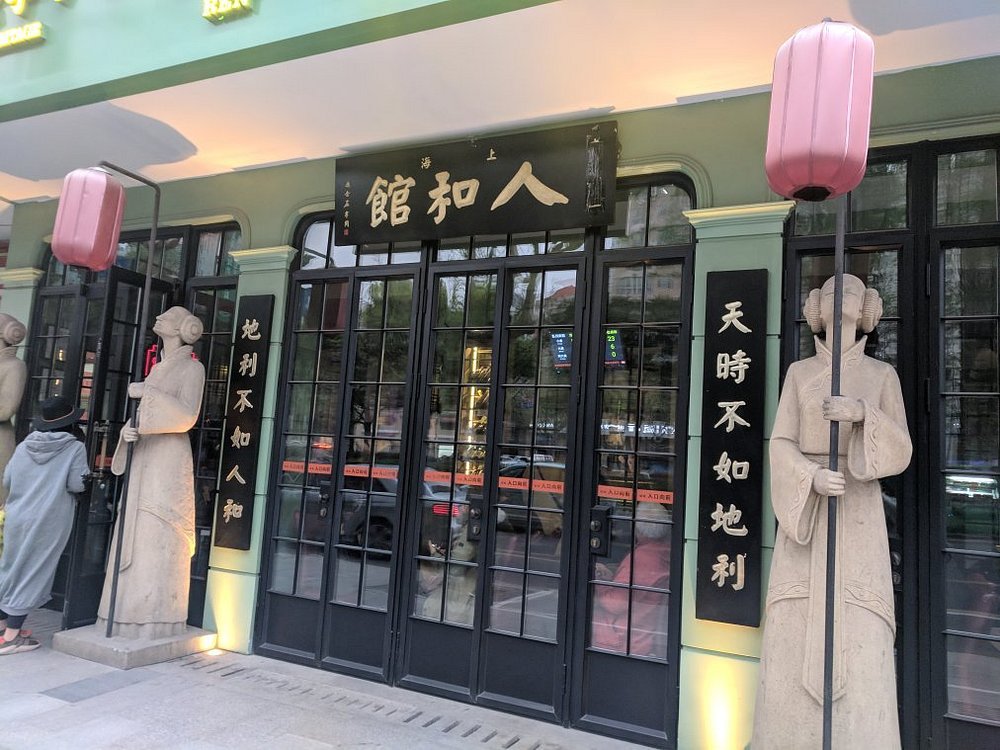
Ren He Guan
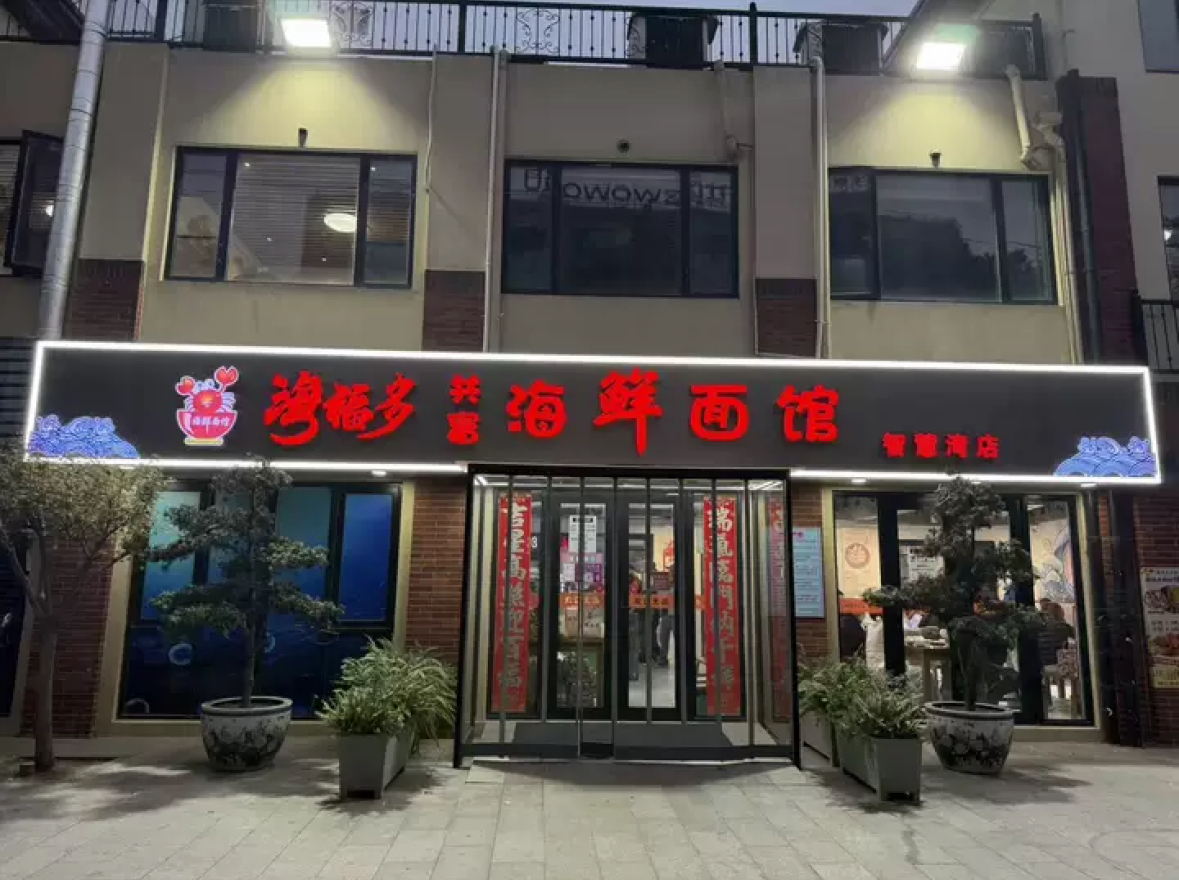
Hai Fu Duo Gong Fu Seafood Noodle
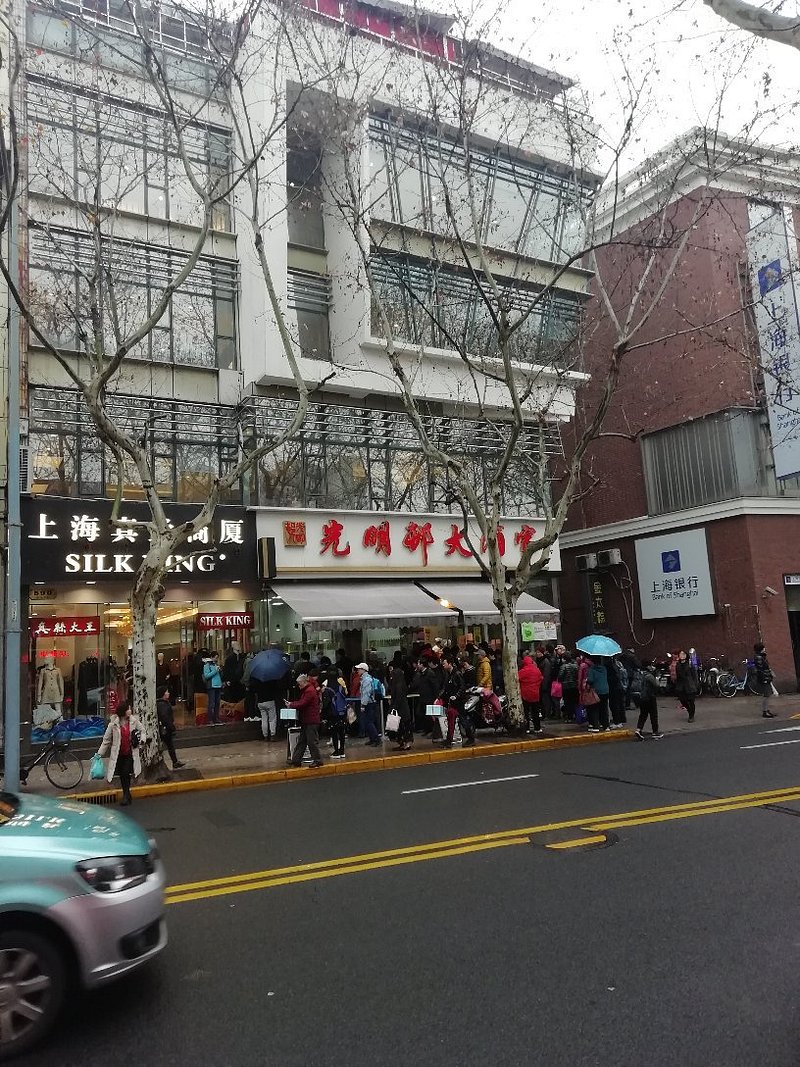
Guangmingcun Restaurant
Find Restaurants by Situation
Whether it's your first night in Shanghai or a special occasion — we've got you covered.
First Time in Shanghai
Essential Shanghai restaurants every first-time visitor should try — iconic flavors, no regrets.
Romantic Dinner
Candlelit tables, stunning views, and unforgettable evenings for two.
Family Friendly
Spacious seating, approachable menus, and dishes even picky eaters will love.
Business Dinner
Impressive settings and impeccable service for closing the deal over dinner.
Budget Eats
The best of Shanghai for under ¥100 — street food legends and local institutions.
Michelin & Fine Dining
Michelin-starred tasting menus and world-class haute cuisine in Shanghai.
Late Night Eats
Where to eat in Shanghai after 10 PM — from night market snacks to midnight hot pot.
Vegetarian
Plant-based dining that will change how you think about vegetables — from street food to Michelin stars.
Restaurants by District
Every Shanghai neighborhood has its own flavor. Find the best restaurants in each area.
The Bund & Huangpu
Iconic riverfront dining with Pudong skyline views. From rooftop bars to hidden alleyway gems.
Former French Concession
Tree-lined streets, 1920s villas, and Shanghai's most atmospheric dining neighborhood.
Jing'an
Upscale dining around Jing'an Temple — fine dining, chic cafes, and excellent international options.
People's Square
The heart of Shanghai — legendary dumpling shops and quick bites between museums.
Lujiazui & Pudong
Sky-high dining in Shanghai's financial district with jaw-dropping views from the top floors.
Xintiandi
Trendy shikumen lane houses turned into fashionable restaurants and bars.
Old City & Yu Garden
Historic dining around Yu Garden and City God Temple — century-old xiaolongbao and street food.
Near Hongqiao
Convenient dining near Hongqiao Airport and Railway Station for travelers in transit.
Browse by Cuisine
From traditional Shanghai Benbang to fiery Sichuan — explore by what you're craving.
Benbang (Home-Style)
Benbang cuisine is the soul of Shanghai cooking — the original home-style food that locals grew up eating at their grandmothers' tables. Distinct from other Chinese regional cuisines, Benbang is defined by its 'red-braising' technique (hongshao), where meats are slow-cooked in a rich, sweet-savory sauce of dark soy, rock sugar, and Shaoxing wine until meltingly tender. Signature dishes include hongshao rou (red braised pork belly), youbao xia (oil-blasted river shrimp), and xun yu (tea-smoked fish). The cuisine makes generous use of oil, sugar, and soy sauce, creating dishes that are unapologetically rich and deeply satisfying. Unlike the fiery heat of Sichuan or the delicate freshness of Cantonese cooking, Benbang is all about warmth, comfort, and the layered umami that only comes from patient braising. Classic Benbang restaurants like Old Jesse and YongFoo Elite keep these traditions alive, serving recipes passed down through generations in atmospheric settings that feel like stepping into old Shanghai.
Xiaolongbao & Dim Sum
Xiaolongbao — literally 'little basket buns' — are Shanghai's most famous culinary export and arguably the world's most beloved soup dumpling. Each delicate dumpling encases a seasoned pork filling suspended in a rich, savory broth that magically liquifies during steaming. The craft demands extraordinary precision: the translucent wrapper must be thin enough to see through yet strong enough to hold boiling soup, traditionally pleated with exactly 18 folds. Eating xiaolongbao is a ritual in itself — gently lift one with chopsticks, place it on your spoon, nibble a small hole to release the steam, sip the broth, then eat the dumpling with a dip of black vinegar and ginger. Beyond xiaolongbao, Shanghai's dim sum tradition includes shengjianbao (pan-fried buns with crispy bottoms), guotie (potstickers), hunda (wontons in various styles), and a rotating cast of steamed and fried small plates that turn any meal into a feast. From century-old institutions like Nanxiang to modern chains like Din Tai Fung, the pursuit of the perfect dumpling is a lifelong Shanghai obsession.
Hairy Crab
Every autumn, Shanghai enters a state of collective obsession with one ingredient: the hairy crab (da zha xie). These palm-sized freshwater crabs, named for the dark hair-like filaments on their claws, emerge from lakes around the Yangtze Delta — particularly Yangcheng Lake — between September and December. What makes them extraordinary is the roe: female crabs carry firm, bright-orange roe while males offer a creamy, custard-like substance that Shanghainese describe as 'gao'. The flavor is intensely sweet, briny, and unlike anything else in the seafood world. Eating hairy crab is a deliberate, almost meditative process. Each crab is steamed whole with ginger, then dismantled piece by piece using specialized tools. The roe and meat are often dipped in a sauce of black vinegar, sugar, and shredded ginger. Top restaurants design entire tasting menus around the ingredient during peak season (October-November), featuring dishes like crab roe xiaolongbao, hairy crab tofu, and crab roe tossed with noodles. The season is brief but so culturally significant that it shapes Shanghai's entire fine dining calendar, with friends and business associates gathering for elaborate crab feasts that can last for hours.
Street Food
Shanghai's street food scene is where the city's culinary energy is at its most raw and democratic. It's a world of sizzling griddles, steaming bamboo baskets, and the intoxicating aroma of soy, sesame, and spice that fills narrow lanes at all hours. The undisputed king is shengjianbao — pan-fried pork buns with a golden-crisp bottom, fluffy dough, and a burst of hot, savory soup that demands careful first-bite technique. Yang's Fried Dumpling has elevated this humble snack to an art form with lines stretching down the block. Other street food essentials include cong you bing (scallion pancakes — flaky, chewy, and deeply aromatic), ci fan (glutinous rice rolls stuffed with pork floss and pickled vegetables), youtiao (golden fried dough sticks perfect for dipping in sweet soy milk), and chou doufu (fermented tofu — an acquired taste that rewards the brave). The best street food is found in the city's surviving longtang (lane houses) and around temple areas like the City God Temple, where vendors have been perfecting their recipes for decades. It's fast, it's cheap, and it's the most honest expression of what Shanghai actually tastes like day to day.
Fine Dining
Shanghai's fine dining scene has undergone a remarkable transformation over the past two decades, evolving from a handful of hotel restaurants into one of Asia's most exciting gastronomic destinations. The city now boasts multiple Michelin-starred establishments that span the full spectrum: from Fu He Hui's transcendent vegetarian tasting menus that turn mushrooms and bamboo into haute cuisine, to Xin Rong Ji's refined interpretations of Taizhou and Shanghainese classics served in rooms that rival Europe's finest, to Jean-Georges Vongerichten's Mercato where Italian and Shanghai sensibilities merge on the Bund. What distinguishes Shanghai fine dining is its relationship with seasonality and local ingredients — chefs build entire menus around the arrival of hairy crab in autumn, spring bamboo shoots, and the dozens of river fish species that define Yangtze cuisine. Service standards have risen dramatically, with many restaurants now operating at levels comparable to top tables in Paris and Tokyo. The ambiance ranges from the historic grandeur of YongFoo Elite's 1930s mansion to the sleek, modern elegance of restaurants in the Bund and Lujiazui skyline. Tasting menus typically span 8-15 courses and run from RMB 500 to over RMB 2,000 per person, often paired with rare teas or an increasingly sophisticated wine program. For those seeking the pinnacle of Shanghai dining, reservations are essential — the best tables at the most celebrated restaurants can be booked solid weeks or even months in advance.
Must-Try Shanghai Dishes
Don't know what to order? Start with these six essentials — and where to eat the best version of each.
Xiaolongbao小笼包
The soul of Shanghai in a bamboo basket — thin-skinned soup dumplings filled with pork and scalding-hot broth.
Lift gently with chopsticks, place on your spoon, nibble a small hole, sip the broth, then eat with black vinegar and ginger.
Shengjianbao生煎包
The xiaolongbao's crunchier cousin — pan-fried pork buns with a golden-crisp bottom and explosive soup filling.
Bite carefully — the soup inside is volcano-hot. Nibble the top, blow to cool, sip, then crunch through the crispy base.
Hairy Crab大闸蟹
Shanghai's autumn obsession — palm-sized freshwater crabs with intensely sweet, custard-like roe. Available September–December.
Steamed whole with ginger. Dismantle piece by piece with tools. Dip in black vinegar, sugar, and shredded ginger. A proper crab feast takes an hour.
Red Braised Pork红烧肉
The definitive Benbang dish — pork belly slow-braised in dark soy and rock sugar until each cube glistens like polished mahogany.
Served in a clay pot. Share family-style with steamed rice. The fat should dissolve on your tongue — if it doesn't, send it back.
Scallion Oil Noodles葱油拌面
Shanghai's simplest pleasure — chewy noodles tossed in fragrant scallion oil with a splash of soy. The ultimate comfort food.
Mix thoroughly before eating. Best as a side dish alongside xiaolongbao. Add chili oil if you want heat.
Drunken Chicken醉鸡
Cold poached chicken marinated in Shaoxing wine for 24 hours — the meat turns translucent, gelatinous, and infused with floral wine notes.
Served cold as an appetizer. Let it sit at room temperature for 5 minutes before eating — the wine aroma intensifies.
Oil-Blasted River Shrimp油爆虾
Tiny freshwater shrimp flash-fried at blazing heat until shells shatter-crisp, then tossed in a glossy soy-and-sugar reduction. The quintessential Benbang appetizer.
Eat whole — shells and all. The crunch is the point. Pair with cold beer or warm Shaoxing wine.
Shanghai Smoked Fish熏鱼
Grass carp steaks fried to a deep bronze, then steeped in a sweet-savory soy marinade until every fiber absorbs the sauce. Served cold — a Shanghainese household staple.
Served cold as part of the appetizer spread. The bones soften during frying — most are edible. Great with congee or as a beer snack.
Sizzling Shredded Eel响油鳝丝
Silky shredded eel in a dark, glossy sauce, finished tableside with a pour of smoking-hot oil that sizzles dramatically — pure Benbang theater and flavor.
Eat immediately while sizzling. Mix the eel with the aromatic oil. Best over steamed rice to catch every drop of sauce.
Where to Eat Near Shanghai's Top Attractions
Plan your day: explore a landmark, then walk to a great restaurant nearby.
Near The Bund
After a sunset stroll along the Bund Promenade, these restaurants are minutes away on foot.
Near Yu Garden
Step out of Shanghai's most famous classical garden and into these historic eateries.
Near Shanghai Tower
Dining with a view after visiting China's tallest building in Lujiazui.
Near Disneyland
Family-friendly restaurants near Shanghai Disney Resort for a post-park feast.
Near Nanjing Road
Refuel between shopping on Shanghai's busiest pedestrian street — legendary dumplings and quick eats.
Near Pudong Airport
A worthy meal before your flight — these restaurants are within a short taxi ride of PVG.
Practical Dining Tips for Shanghai
Everything you need to know before your first meal — from reservations to payment to etiquette.
How to Make a Reservation
Top restaurants book out 1–4 weeks ahead. Use Dianping (大众点评) app, call the restaurant, or ask your hotel concierge. Many high-end spots accept reservations in English via phone.
How to Pay
Cash is accepted everywhere. WeChat Pay and Alipay dominate. International credit cards work at mid-range and fine dining restaurants. For street food, bring cash or set up Alipay's Tour Pass for foreigners.
English Menus & Ordering
Mid-range and fine dining restaurants usually have English menus. Budget and local spots often only have picture menus. Point at photos, use a translation app, or show the Chinese dish name from our guide.
Dining Etiquette
Sharing is the norm — order dishes for the table, not per person. It's polite to pour tea for others before yourself. Tipping is not expected and sometimes refused. Slurping noodles is perfectly acceptable.
How Much Does Dinner Cost?
Street food: ¥15–50. Casual restaurants: ¥60–150 per person. Mid-range: ¥150–400. Fine dining tasting menus: ¥500–2,000+. Alcohol and imported wine significantly increase the bill.
Opening Hours & Best Times
Lunch: 11:00 AM–2:00 PM. Dinner: 5:00 PM–10:00 PM. Many restaurants close between lunch and dinner. For popular spots, arrive 15 minutes before opening to avoid queues. Late-night dining is limited — plan accordingly.
How We Choose Our Restaurants
Every restaurant on this guide has been personally visited and vetted by our team. We evaluate each one against five criteria:
- Food quality — Does it represent the best of its category?
- Foreigner accessibility — Can a non-Chinese speaker order, pay, and enjoy the meal comfortably?
- Consistency — Is the quality reliable across multiple visits?
- Value — Does the price match the experience?
- Atmosphere — Is the setting appropriate for the intended occasion?
We do not accept payment for inclusion. Restaurants cannot pay to be listed here. Our recommendations are editorially independent and based solely on merit.
This guide was last updated in August 2026. Restaurant hours, prices, and availability change — we recommend checking directly before visiting.
Frequently Asked Questions
What is Shanghai cuisine known for?
Shanghai cuisine, or Benbang cuisine, is known for its sweet and savory soy-based braised dishes, soup dumplings (xiaolongbao), and an emphasis on fresh seafood and seasonal ingredients like hairy crab.
What is the average cost of a Shanghai restaurant meal?
Street food and casual spots range from RMB 20-80. Mid-range restaurants average RMB 100-250 per person. Fine dining tasting menus start from RMB 500 and can exceed RMB 2,000.
When is hairy crab season in Shanghai?
Hairy crab season runs from September through December, with October and November being peak months when the crabs are at their richest and most flavorful.
Do I need reservations for Shanghai restaurants?
For popular and fine dining restaurants, reservations are strongly recommended, especially on weekends and during holidays. Many top restaurants book out weeks in advance.
What are the must-try dishes at a Shanghai restaurant?
Essentials include xiaolongbao (soup dumplings), shengjianbao (pan-fried buns), hongshao rou (red braised pork), yan du xian (bamboo shoot soup), and hairy crab in autumn.
Are there vegetarian Shanghai restaurants?
Yes! Shanghai has a strong Buddhist vegetarian tradition. Restaurants like Fu He Hui offer world-class vegetarian tasting menus, and many local spots serve vegetable-focused dishes.